

With the increasing popularity of modern electronic devices, battery safety has become a core concern for consumers, manufacturers, and buyers. Choosing safer, more stable, and easier-to-manage batteries is particularly important when purchasing on a large scale or designing for use in multiple devices. Alkaline and lithium batteries, two of the most common types of disposable batteries, each have their own safety advantages and disadvantages. This article systematically compares the safety performance of these two types of batteries from an industry perspective, helping companies and overseas buyers make informed choices.
I. Safety Principle Comparison
1. Chemical Composition and Reaction Mechanism
Alkaline batteries are primarily composed of zinc powder and manganese dioxide, with an electrolyte consisting of potassium hydroxide or sodium hydroxide aqueous solution. They exhibit a mild reaction system. Their internal reaction is a low-pressure system, making them less susceptible to overheating or explosion, making them a relatively "inert" battery type.
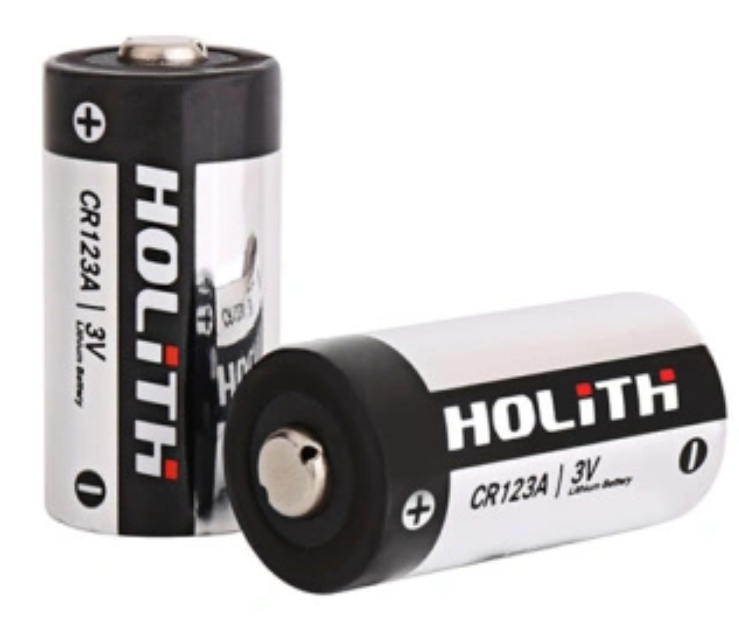
Lithium batteries, on the other hand, use metallic lithium or lithium compounds as their negative electrode material and offer high energy density. Their internal reactivity is higher, especially in primary lithium batteries, where metallic lithium is used. Once damaged, they can react rapidly with air and water, causing combustion or explosion. Rechargeable lithium-ion batteries also pose a risk of thermal runaway if the BMS fails.
2. Overcharge and Over-Discharge Risks
Alkaline batteries, since they are not rechargeable, are not subject to overcharging. Furthermore, their voltage stabilizes after over-discharge, posing no risk.
In contrast, lithium batteries without adequate protection circuitry can easily overheat, swell, or even catch fire if overcharged or short-circuited. This is especially dangerous in high-temperature environments or under mechanical damage.
3. Operating Voltage and Energy Density
Alkaline battery cells have a voltage of 1.5V and an energy density of approximately 100-150Wh/kg. Lithium battery cells typically have a voltage of 3.0-3.7V and an energy density of 200-300Wh/kg. While lithium batteries offer greater power, in some cases, higher energy density carries greater potential risks.
II. Safety Considerations in Typical Applications
1. Household and Children's Products
Alkaline batteries are widely used in low-power household devices such as remote controls, toys, and alarm clocks due to their stable chemical properties and low leakage risk. Alkaline batteries are particularly safe in children's toys, preventing damage from mishandling or collisions.
2. Outdoor and Portable Devices
Lithium batteries are commonly used in portable devices such as digital cameras, GPS devices, and high-intensity flashlights, where size and battery life are critical. While they offer longer battery life, caution is advised regarding the potential for battery damage from drops, exposure to high temperatures, and other factors. In such applications, enhanced battery casing design or the use of cells with overheat protection are essential.
3. Medical and Industrial Equipment
Medical equipment, such as blood glucose meters and thermometers, prefers alkaline batteries for certain low-power applications. Portable monitoring devices and multi-parameter monitors generally use primary lithium batteries, provided they have battery anomaly detection mechanisms.
III. Safety from a Manufacturing and Storage Perspective
1. Transportation and Storage Safety
Alkaline batteries are not classified as hazardous materials for transportation, do not require UN38.3 certification, are low-cost for international transportation, and have relaxed storage requirements.
Lithium batteries must strictly comply with UN regulations for the transport of dangerous goods. They are subject to aviation regulations during transportation and must be stored away from high-temperature and high-humidity environments. They must not be mixed with flammable materials.
2. Lifespan and Safety Hazards
Alkaline batteries have a low self-discharge rate, making them less susceptible to problems even after long periods of inactivity. They also have no significant residual energy after use, making them safer to handle.
Although lithium batteries also have a low self-discharge rate, residual voltage can still cause short circuits if not promptly recycled after use. Furthermore, prolonged storage can lead to internal gas accumulation, which can cause expansion and rupture.
IV. Overall Safety Conclusion
From an industry perspective, alkaline batteries generally outperform lithium batteries in terms of safety. They are particularly suitable for safety-sensitive applications such as children's products, consumer electronics, and non-professional users. Their high stability, ease of transportation, and lack of explosion risk make them the preferred choice for most low-power applications.
Although lithium batteries have certain risks, they offer significant advantages in high-energy-density applications, such as high-end digital devices and industrial equipment. With a well-protected battery management system and from reputable manufacturers, they can also achieve a high safety level.
V. Tips for Industry Enterprises
For export-oriented battery manufacturers such as Jiangmen Hongli Energy Co., Ltd., while providing CR series primary lithium batteries, they can enhance the overall safety level of lithium batteries by offering enhanced explosion-proof designs, BMS solutions, and customized cell testing services, thereby expanding into higher-value-added overseas markets. In the development of new soft-pack lithium batteries and custom-shaped button batteries, consistently prioritizing both high energy density and high safety will be key to steadily expanding market share.
If you are an overseas buyer seeking battery solutions, we recommend choosing between alkaline or lithium batteries based on factors such as the specific product's operating environment, safety requirements, and transportability. For customized safety battery solutions, please contact Jiangmen Hongli Energy. We will provide professional support and high-quality products.