

With the continuous advancement of energy storage technology, AGM batteries and lithium-ion batteries have become the two most common types of battery technologies in the current market. A widely discussed question is: Are AGM batteries safer than lithium batteries? This question doesn't have a simple "yes" or "no" answer; rather, it requires a comprehensive analysis based on multiple dimensions, including the operating environment, application scenario, battery type, and technical management level.
Ⅰ. Structure Determines Safety: The Essential Difference Between AGM and Lithium Batteries
AGM batteries are essentially a type of sealed lead-acid battery. They use a glass fiber mat to absorb the electrolyte, making them leak-proof, vibration-resistant, and maintenance-free. Their relatively mild internal chemical reactions make them less susceptible to fire or explosion even under extreme conditions, giving them a natural advantage in structural safety.
In contrast, while lithium-ion batteries have a high energy density, their internal active materials react violently. Under conditions of overcharge, short circuit, or high temperature, they can experience thermal runaway, leading to fire or even explosion. This makes lithium batteries dependent on a battery management system (BMS) with multiple protections, including voltage, current, and temperature, to ensure their safe operation under high-performance conditions.
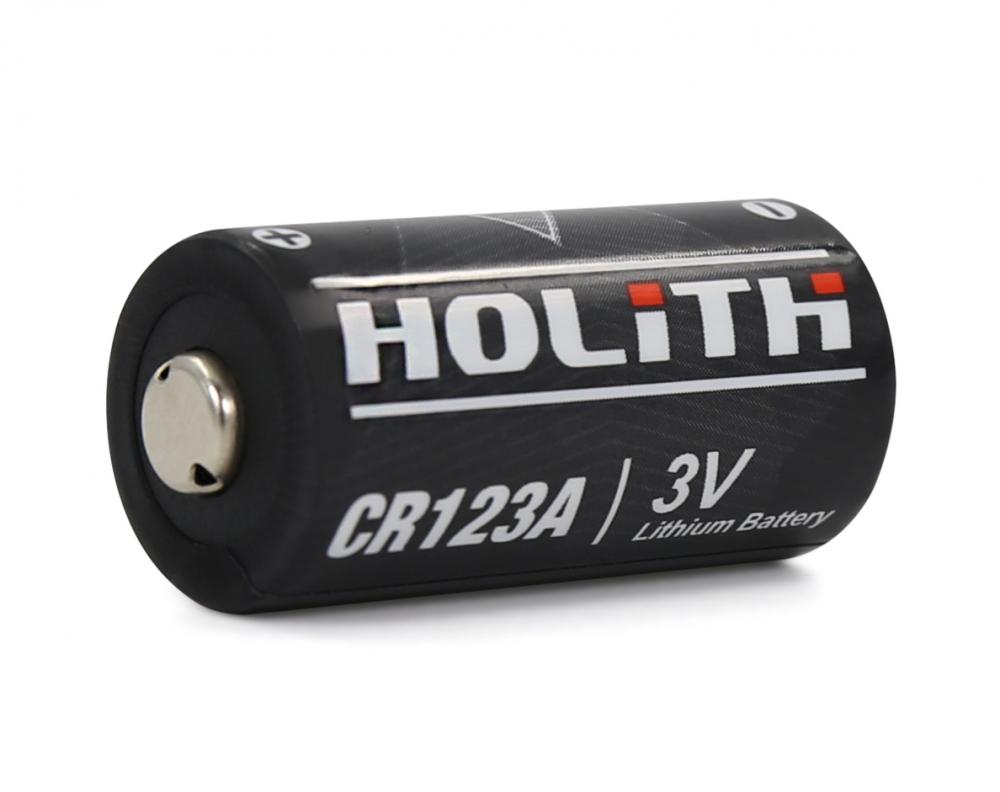
II. Safety Performance Comparison Analysis: Technical Data and Actual Risks
AGM Battery Safety Features:
Strong Thermal Stability: No thermal runaway will occur even under external influences such as high temperatures or charger failure.
No Gas Accumulation: No gas is released during normal use. In extreme cases, an internal safety valve can release trace amounts of gas to prevent explosion.
Resistant to Physical Shock: Because the electrolyte is absorbed by the glass fiber, it will not leak even in severe collisions.
No External Control System Required: Without relying on a BMS, the system structure is simpler and has fewer risk points.
Lithium Battery Safety Management Capabilities:
Stable Operation Even at High Temperatures: The thermal runaway temperature of lithium iron phosphate batteries exceeds 270°C, significantly lower than the 150°C of ternary lithium batteries.
Relying on BMS protection mechanisms: Abnormal current or overheating can be monitored and limited in real time, ensuring safe charging and discharging.
Higher Charging Efficiency: Up to 95% efficiency, less internal heat generation than AGM, and better temperature control.
Fewer Replacements Required During Lifecycle: Reduces the risk of disassembly and assembly due to operator errors.
AGM batteries offer advantages in passive structural safety and are suitable for applications requiring high battery protection and stringent O&M cost controls. Lithium batteries, on the other hand, rely on active electronic safety management, achieving high levels of safety performance even under rigorous BMS control.
III. Future Trends: Safety and Intelligence Equally Prioritized
In recent years, lithium batteries have made continuous breakthroughs in safety. The widespread adoption of lithium iron phosphate technology, in particular, has significantly enhanced the safety of lithium batteries in home energy storage and industrial backup applications due to its excellent thermal stability, non-flammability, and cycle life. Furthermore, advanced battery management systems integrate multiple protection mechanisms, enabling lithium batteries to achieve both "software and hardware safety."
At the same time, AGM batteries are also developing towards higher density and longer lifespans. For overseas projects with limited budgets, simple system structures, and low maintenance, AGM batteries remain an extremely cost-effective option.
IV. Choosing the Right Battery: Not Just Performance, But Safety Matters
When evaluating the safety of AGM and lithium batteries, we cannot simply judge which is "safer" without considering the specific environment in which they are used. AGM batteries, with their inherent structural safety, are suitable for traditional applications that do not require complex management. Lithium batteries, on the other hand, utilize intelligent safety protection provided by a battery management system (BMS), and excel in modern, high-performance scenarios.