

With the rapid development of portable electronic devices, button batteries, as important miniature power components, are widely used in watches, calculators, medical devices, car keys, and other fields. There are many types of button batteries commonly found on the market, and many people mistakenly believe that all button batteries are lithium batteries. This article will provide an in-depth analysis of the main types of button batteries from an industry perspective, revealing the technical characteristics and application advantages of lithium batteries and other button batteries, helping buyers and manufacturers make the right choice and promoting the healthy development of the industry.
I. The Diversity of Button Batteries
Button batteries are primarily classified into four categories based on their internal chemical composition and performance characteristics: lithium button batteries, silver oxide button batteries, alkaline button batteries, and zinc-air batteries.
1. Lithium Button Batteries
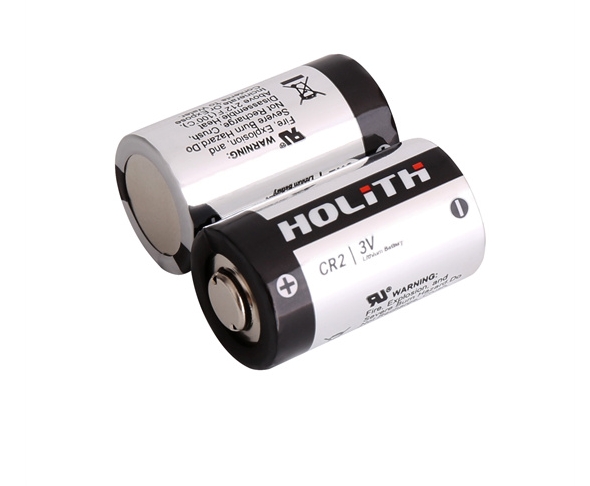
Lithium button batteries, such as the CR series (CR2032, CR2025, and CR2016), are the most widely used type in the market. They feature a nominal voltage of 3V, high energy density, low self-discharge rate, and a long shelf life. Their stable output voltage makes them a preferred power source for motherboard BIOSes, electronic toys, and medical equipment.
2 Silver Oxide Button Cells
Silver oxide button cells, with their stable voltage of approximately 1.55 volts and excellent discharge performance, are widely used in watches, hearing aids, and small electronic devices. While their energy density is lower than that of lithium batteries, their smooth discharge curve makes them suitable for voltage-sensitive devices.
3 Alkaline Button Cells
Alkaline button cells offer lower costs, a relatively shorter energy density, and a shorter lifespan, making them suitable for temporary or low-power devices with less demanding performance requirements. While not as widespread as lithium batteries, they still have a certain demand in certain niche markets.
4 Zinc-Air Batteries
Zinc-air batteries are primarily used in professional devices such as hearing aids. They rely on oxygen in the air as a reactant and have a high energy density, but their lifespan after opening is limited and they need to be replaced as needed.
II. Technical Comparison and Application Selection of Different Button Cell Types
Lithium button cells, with their high energy density and long lifespan, are suitable for portable electronic devices requiring stable high voltages. Silver oxide batteries, due to their stable and reliable discharge, are an ideal power source for traditional watches and medical devices. Although alkaline and zinc-air batteries have limited performance, they remain competitive in the market due to their price advantages and specific application scenarios.
III. Industry Trends and Purchasing Recommendations
With technological advancements, lithium button batteries continue to improve in terms of energy density and safety. At the same time, the production process for high-quality silver oxide batteries is also being optimized. Buyers should carefully select battery types based on their equipment's voltage requirements, power consumption characteristics, and cost budget, avoiding blindly following trends.
Jiangmen Hongli Energy Co., Ltd., a leading domestic manufacturer of 3V primary lithium batteries, continuously monitors the development of button battery technology and actively develops lithium battery and new battery products. We are committed to providing high-quality, high-performance battery solutions to global customers, contributing to the industry's continued innovation and development.
Button batteries come in a variety of types, and while lithium batteries have a wide range of applications, they are not exhaustive. A correct understanding of the performance characteristics and application scope of various button batteries will effectively enhance product competitiveness and promote the healthy and orderly development of the electronics industry.