

With the continuous expansion of the portable electronic device and new energy markets, batteries, as a key energy carrier, have garnered widespread attention from both the industry and consumers.
Definition and Main Types of Dry Cells
Dry cells refer to batteries with solid or paste-like electrolytes, broadly including carbon-zinc batteries, alkaline batteries, and zinc-air batteries. These batteries, typically paste-like or solid-like electrolytes, offer high safety and are suitable for low-power, single-use applications. Traditional dry cells are mostly carbon-zinc or alkaline, providing 1.5 volts and are used in household appliances such as remote controls and flashlights.
Characteristics and Classifications of Lithium Batteries
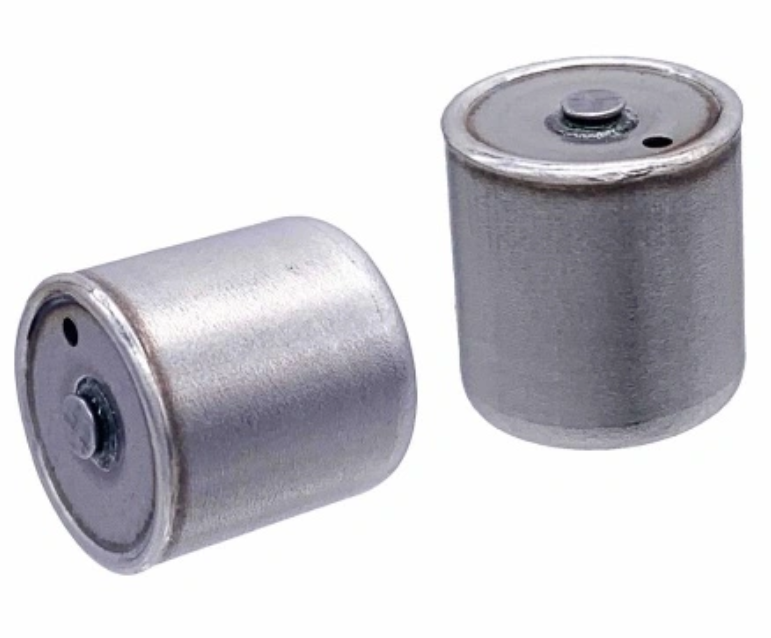
Lithium batteries are a type of battery with lithium or lithium compounds as the negative electrode material, offering high energy density and lightweight. Lithium batteries are categorized into primary and secondary types. Primary lithium batteries, such as the CR series, are commonly used in high-performance portable devices, typically with an output voltage of 3 volts. Secondary lithium batteries are widely used in applications such as mobile phones and electric vehicles that require repeated charging and discharging.
The Difference Between Dry Cell Batteries and Lithium Batteries
Although lithium batteries can also use solid or paste electrolytes, and some primary lithium batteries can be classified as dry cells, the vast majority of dry cells on the market are not lithium batteries. Dry cells are primarily carbon-zinc and alkaline, and their performance and application areas differ significantly from lithium batteries. Lithium batteries generally offer higher energy density and more stable voltage output, making them suitable for devices with higher performance requirements.
Market Application and Selection Recommendations
Buyers should carefully choose between dry cells and lithium batteries based on the device's power requirements, operating environment, and budget. For low-power, cost-sensitive traditional electronic products, dry cells remain competitive; however, for modern electronic devices requiring high performance and long battery life, lithium batteries are a better choice.
Company News
Jiangmen Hongli Energy Co., Ltd. specializes in the research and development and production of 3V primary lithium batteries. Leveraging advanced technology and strict quality management, we provide stable and reliable lithium battery products to customers worldwide. The company actively responds to market demand and continuously expands its product line, helping the industry move towards a future of energy efficiency and green environmental protection.
Dry cell batteries and lithium batteries each have their own advantages. Understanding their differences and applications will help promote the rational application of battery technology and the healthy development of the market. Choosing the right battery type is crucial for ensuring device performance and user safety.